Slippery Surfaces Addressed Where They Form
Ice melt application in Hendersonville for commercial properties with high-traffic pedestrian zones and vehicle areas prone to refreezing
After snow is cleared from a commercial surface, the residual moisture left on pavement refreezes faster than the original snowfall—particularly on shaded pavement, areas near downspouts, and surfaces that receive meltwater from adjacent snow piles. These are the conditions that produce the ice that injures people. Steverson's Hauling & Excavation, Inc. applies ice melt products to commercial properties in Hendersonville, targeting the specific surfaces and zones where icing forms and persists rather than broadcasting product uniformly across a property without regard for where the hazard actually concentrates.
Application follows a deliberate prioritization of zones: sidewalks and pedestrian entrances receive treatment first because foot traffic on icy pavement creates the highest slip hazard exposure. Parking lot driving lanes and high-traffic walking routes within the lot are addressed next. Ice melt application as a standalone service can also be structured as a preventative treatment applied before a forecasted event, reducing the bond strength of ice to the pavement and making subsequent mechanical removal faster and more complete.
Request an application visit to assess the specific zones on your commercial property where ice control is most needed..
Our Services
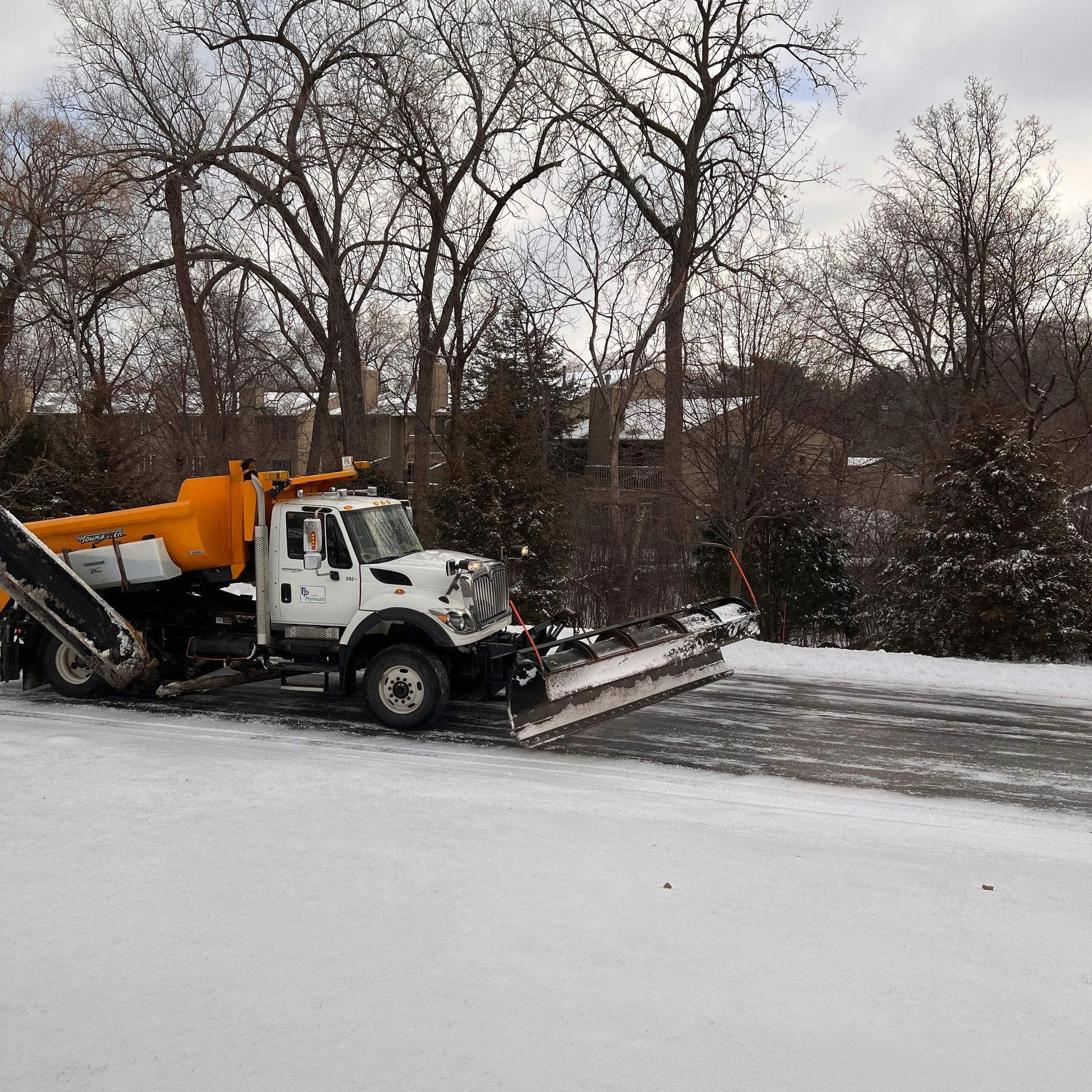
Why Product Placement Matters More Than Volume
Ice melt effectiveness isn't simply a function of how much product is applied—it depends on applying the right product to the right surface at the right time relative to the freeze event. Applying product after a thick ice layer has already formed produces slower and less complete results than a pre-treatment or early-stage application that prevents full ice bonding. For properties with concrete walkways adjacent to asphalt lots, product selection also matters: certain chloride-based ice melt formulations accelerate surface scaling on concrete when overused, which is a maintenance consideration that shapes application decisions for properties with mixed surface types.
Following treatment, surfaces that were glossy with ice film become workable for foot traffic and vehicle movement—the visible sign of effective application is that the ice layer releases from the pavement rather than remaining in place beneath a coating of dissolved brine. Steverson's Hauling & Excavation, Inc. integrates ice melt application into recurring winter maintenance plans so treatment isn't a reactive response to a fall incident but a scheduled element of commercial property access management.
Properties with covered entryways, north-facing pavement, or areas that receive drainage from rooftops often retain ice conditions long after open areas have cleared—these zones require targeted attention rather than a general sweep of the property. Identifying those persistent problem areas during an initial site visit allows the application plan to focus resources where ice forms and lingers most reliably..
Questions Before Starting Your Ice Treatment Plan
These questions address how ice melt application decisions are made on commercial properties, including what drives product selection and where treatment is most effectively concentrated.
- What surfaces on a commercial property are prioritized for ice melt application? Pedestrian entrances, sidewalks, and walkways connecting parking areas to building entries receive treatment first, followed by vehicle driving lanes and other high-traffic zones where slip or traction hazards are most likely to affect employees and customers.
- How does the timing of application relative to a freeze event affect results? Pre-treatment or early-application before ice fully bonds to the pavement surface produces more complete ice release and requires less product than treatment applied after a thick ice layer has already formed and locked to the pavement.
- Why does surface type affect which ice melt product is appropriate? Certain chloride-based formulations accelerate scaling and surface deterioration on concrete with repeated overuse, so properties with a mix of asphalt and concrete surfaces require product decisions that account for both, rather than a single product applied uniformly across everything.
- What areas on a Hendersonville commercial property tend to retain ice conditions longest? Shaded pavement zones, surfaces below downspouts, north-facing walkways, and areas that collect runoff from adjacent snow piles are the locations where ice persists after open areas have cleared—these require targeted treatment rather than a general property pass.
- How is a preventative ice treatment plan structured differently from reactive application? Preventative plans schedule application before forecasted freeze events to reduce ice bonding strength in advance, while reactive service responds after ice has already formed—both have a role, but preventative treatment produces more complete surface access with less effort at each event.
Steverson's Hauling & Excavation, Inc. evaluates each commercial property's specific surface conditions and high-risk zones before establishing a treatment plan—arrange a property visit to identify where ice control will have the most impact for your location.